Commercial facilities face distinct biological pressures based on building structure, foot traffic, and proximity to municipal infrastructure. In dense urban sectors like the Short North Arts District and German…
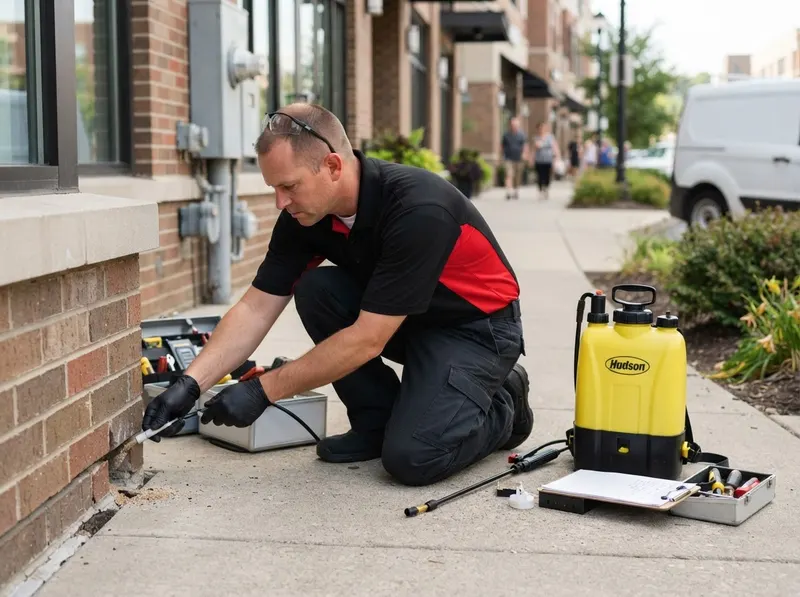
Commercial facilities face distinct biological pressures based on building structure, foot traffic, and proximity to municipal infrastructure. In dense urban sectors like the Short North Arts District and German Village, multi-tenant commercial structures share common walls, older floor drains, and utility chases that allow insect migrations between adjacent businesses. Facilities operating near the Scioto Mile Promenade or Franklinton encounter persistent seasonal moisture vectors that foster pavement ant and cockroach activity. StoneLark Insect Control provides structural commercial defense that focuses strictly on insect biology and point-of-entry exclusion, avoiding broad-spectrum synthetic saturation inside active customer-facing areas.
Effective commercial protection separates high-risk utility zones from sensitive workspaces. Retail shops along High Street in Victorian Village and Clintonville require precise insect interceptors at exterior entryways to intercept pests before inventory is compromised. Food handling sites and medical facilities in Bexley, Upper Arlington, and Grandview Heights must adhere to guidelines verified by the FDA Food Facility Registration rules and workplace safety standards from the OSHA General Industry Regulations. Rather than applying uniform chemical barriers, technicians apply targeted bait formulations into void spaces behind prep counters, electrical chases, and equipment motors where insect pests harbor out of sight.
Logistics centers, distribution points, and office complexes near Worthington and Olde Towne East often manage insect pressures introduced via wood pallets and continuous dock operations. These facilities are maintained using the EPA Integrated Pest Management Principles, combining physical exclusionary brushes on dock levelers with strategic non-toxic monitoring stations. Environmental controls are cross-referenced against the CDC NIOSH Workplace Safety Guidelines to protect non-target staff and indoor air quality. StoneLark Insect Control verifies pest trends through direct physical counts on monitoring traps, adjusting exterior perimeter treatments according to standards from the Ohio Department of Agriculture Pesticide Regulation.
Selecting a commercial pest management strategy involves trade-offs between routine structural maintenance and emergency corrective treatments. Corrective spot remediation addresses sudden pest blooms inside single suites, but unsealed building perimeters allow re-infestation within 30 to 60 days. Comprehensive commercial barrier defense addresses foundation access points, roof lines, and loading bays, which requires an initial facility assessment and routine inspection checks. This proactive protocol complies with criteria from the Columbus Public Health Environmental Health Division, building long-term domestic relief for business owners by eliminating breeding reservoirs before public health inspectors or patrons identify active insects.
Every job gets a firm, written price after a free on-site visit.
Tell us about your commercial pest defense job in Columbus and we'll send a clear, written quote, usually the same day.
 StoneLark Insect Control